


Breaking Gender Norms: Why Gender Expression Is a Playground, Not a Cage
Issues surrounding gender and biological sex and their impact on identity have been in the news a lot recently. It seems that no matter where you go or what you read, you’re likely to come across some content about gender identity and the challenges it presents. Each society has built some strict rules around gender.
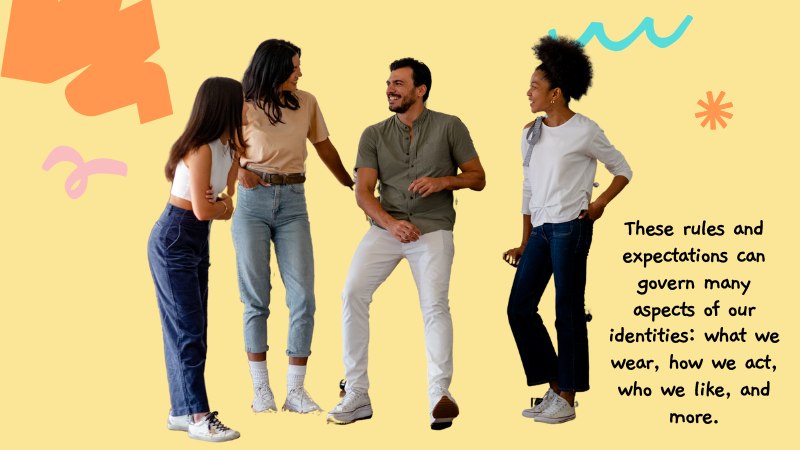
These rules and expectations can govern many aspects of our identities: what we wear, how we act, who we like, and more. I can hardly think of any aspect of our identity that isn’t hugely influenced by our perception of who we are supposed to be.
Sometimes, these rules and expectations can feel normal or even logical, but other times, they can be constricting. Much of the modern world still treats gender as a black-and-white issue, whereas any keen observer of humanity would be able to tell you that nothing is black and white; there are only thousands of shades of grey. That spectrum should be embraced and celebrated; gender expression should be something more flexible, allowing those of us who like to blur the lines to show who we are.
Two Gender Norms
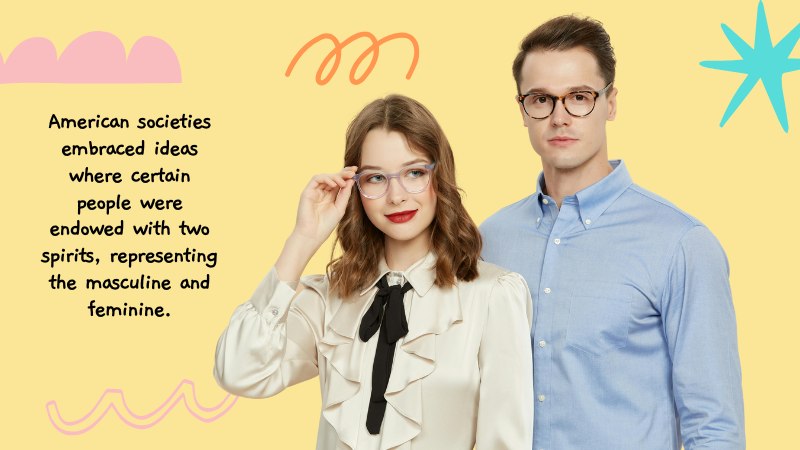
The idea of the thick black line between the male and female gender is actually a construct of relative modernity, not biology. There are plenty of examples of ancient cultures that had more fluid understandings of gender; some Native American societies embraced ideas where certain people were endowed with two spirits, representing the masculine and feminine. These individuals were not marginalized in the community; they simply existed in the way any member of a community did.
In some places that were less influenced by Western concepts of gender, you can still notice that there is a more spectrum-like understanding of gender. Anyone who has traveled in Southeast Asia can attest to this.
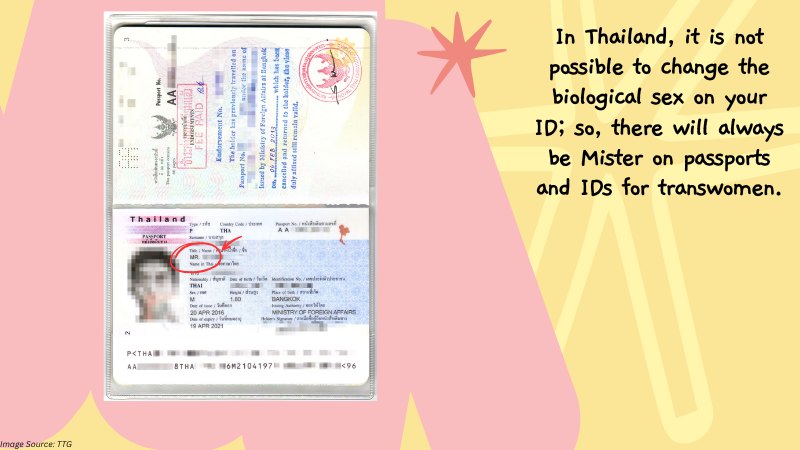
However, even in these societies, modernity has had an impact, and individuals who do not fit into a neatly defined box face a lot of hardship. In Thailand, it is not possible to change the biological sex on your ID, so there will always be Mister on passports and IDs for transwomen.
It isn’t hard to guess the traditional gender norms. Men are expected to be strong, stoic, and assertive. In contrast, women can expect to be more nurturing, emotional, and passive.
Expectations about beauty and fashion are huge. The list goes on and on, but there is hardly a topic where men and women are expected to be the same or similar.
Expression vs. Identity
Understanding the differences between these two ideas is essential to understanding the questions posed by our topic. To make it simple, identity is how someone sees themselves, while expression is how they are seen by others or how they choose to present themselves to the world. It’s a matter of internal feelings versus external presentation.
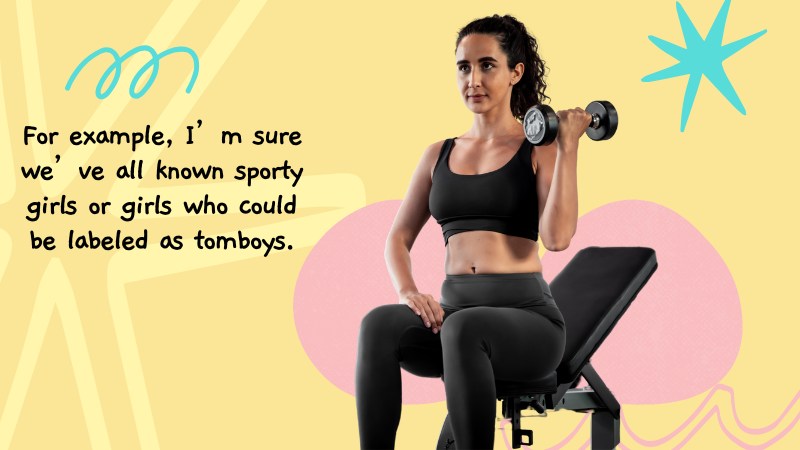
For Example, I’m sure we’ve all known sporty girls or girls who could be labeled as tomboys. This person might not be feeling any degree of confusion inside; they might just like having shorter hair, wearing trousers, or playing sports. These outward expressions of gender usually have nothing to do with the feelings someone has inside.
Individuals struggling with their gender identity might outwardly conform to what society says they should wear or how they should act. Many transgender women will join the army before their transition to reinforce their masculine traits and try to do ‘what they are supposed to’ as men in society.
A lot of the public debate today revolves around gender expression; as the LGBTQ+ movement has progressed globally, many new issues and debates have come to the fore. I don’t think there is anything wrong with choosing to express yourself any way you like. However, the perceived rejection of gender norms has caused a backlash in some societies.
Blurring the lines
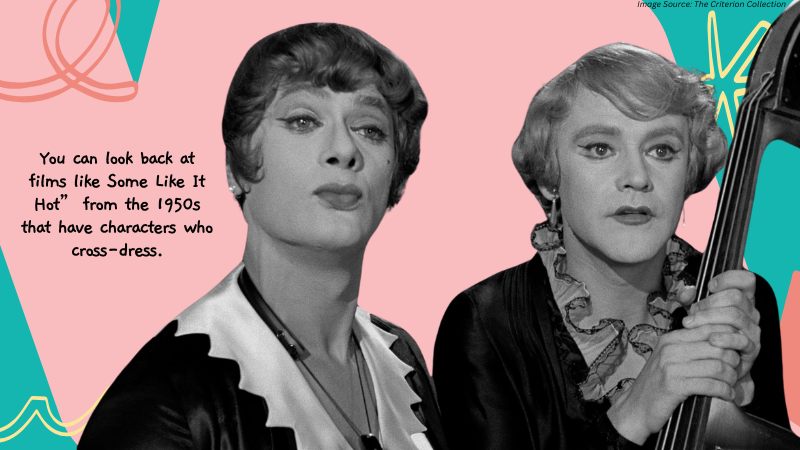
Blurring the lines of gender has been a staple of artistic communities, pop culture, and media for as long as there have been these things. You can look back at films like Some Like It Hot” from the 1950s that have characters who cross-dress. Singers like David Bowie, Marc Bolan, and Prince all embraced more feminine fashion and elements of feminine appearance to add to their stage persona. A large part of the Glam Rock aesthetic of the 1970s was influenced by blurring gender norms. Similar things could be said about the metrosexual movement in the early 2000s.
These figures not only chose clothing that fell more into the femme side of the gender spectrum but also used makeup and hair products that are generally thought of as for women.
Today, this has morphed into more male beauty products being available—products that I wouldn’t have dreamed of seeing when I was younger. A lot of these products have taken on hypermasculine branding, but when you compare the ingredients to the equivalent for women, you’ll find that only the scent is different.
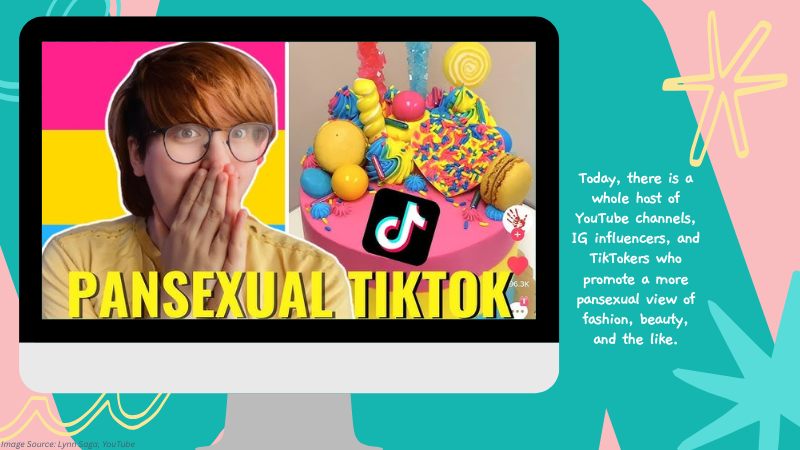
Today, there is a whole host of YouTube channels, IG influencers, and TikTokkers who promote a more pansexual view of fashion, beauty, and the like. Even some popular celebrities have embraced the concept. Timothee Chalemet, for example, is frequently pictured at award shows wearing eyeliner or some added color around his eyes. His outfits are often shiny, tight, and shimmery, all qualities usually associated with female fashion.
Crossdressing and Gender
Crossdressing is something that can really challenge our perceptions of gender. While wearing clothes of the opposite biological sex has been a behavior that has always occurred throughout history, it has alternately been condemned and celebrated. When you think about it, women can crossdress every day. A woman wearing jeans doesn’t get a second look, but for men, it is highly stigmatized.
Crossdressing is often taken as a sign that a man is homosexual or a sissy, and they will be subjected to immense criticism. However, anyone who has crossdressed, known someone who has, or learned a bit from academic researchers on gender and sexuality will tell you that crossdressing has nothing to do with sexuality in most cases.
Sometimes, it will be done for fun, to be funny, or as a form of experimentation with their outward expression of identity.
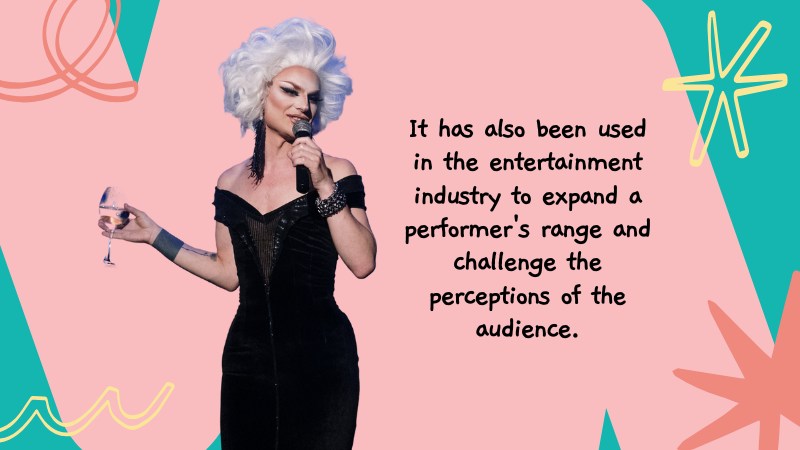
It has also been used in the entertainment industry to expand a performer’s range and challenge the perceptions of the audience. Shakespearean plays feature some characters portrayed by male actors in women’s dresses. In the modern world, Drag queens blur the boundary of gender while also pushing up against the absurdity of assigned gender norms. Other performers, like Eddie Izard, have used femme touches in their work for years. Eddie Izard countered the idea of wearing women’s clothes with the simple comment: “These aren’t women’s clothes, they are my clothes.”
Benefits of free expression
Living with society’s rules and expectations can be difficult at times, especially when you think that your identity doesn’t perfectly conform to what is expected. The fear of being judged for being different is a powerful force that often results in a feeling of being pressured to take on an identity that isn’t really your own.
When individuals feel comfortable enough to express themselves and their gender identity as they wish, they will experience some euphoria, a lack of self-doubt, and better mental well-being. I think that it’s easier to experience this the younger we are.
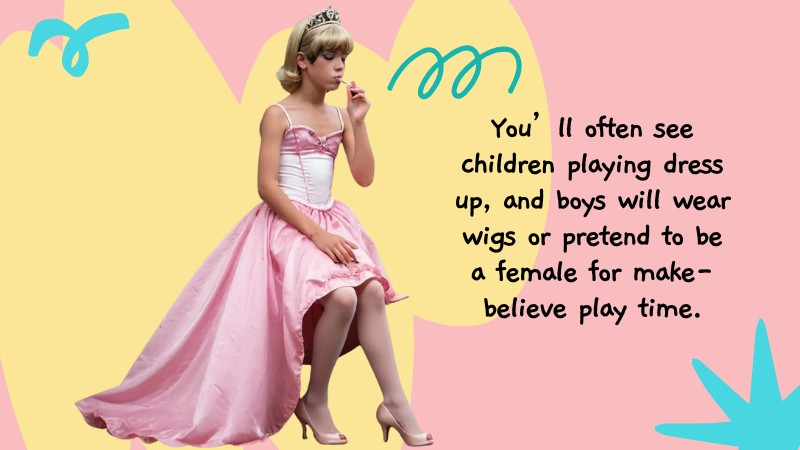
You’ll often see children playing dress up, and boys will wear wigs or pretend to be female for make-believe playtime. Because they don’t fear being different, or just because it’s for a moment, you’ll see that they don’t worry about it. However, the first time a crossdresser dresses up or goes out dressed up, or their dressing habits are revealed will often feel a great sense of dread and foreboding. I think this is a fear of being perceived as deviant or abnormal; it will recede over time, and the more you dress, the quicker it will subside.
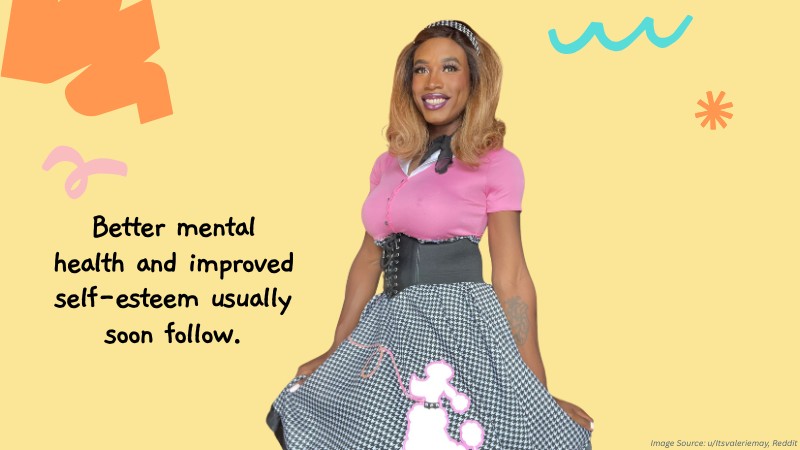
It’s widely known and accepted that when people can be free of judgment, they will be more confident and at ease. Better mental health and improved self-esteem usually soon follow. Whether or not you dress alone, in public, or with friends, self-acceptance and tolerance will benefit your mind and body. Finding yourself and living how you feel best is important; be free be yourself.
Breaking the Stigma Around Gender Expression
Societies across the globe have a lot of work to do to break down the negative stigma surrounding crossdressing. If you are a crossdresser, drag performer, or just someone who enjoys blurring boundaries, you’re likely to face some sort of judgment or negativity as a result of your dressing. You’re also probably aware of the hostility that many individuals with nonconforming identities have faced in media and online. It’s always important to remember that you can do it anytime you like, and there is nothing wrong or improper with challenging society’s conventions from time to time.
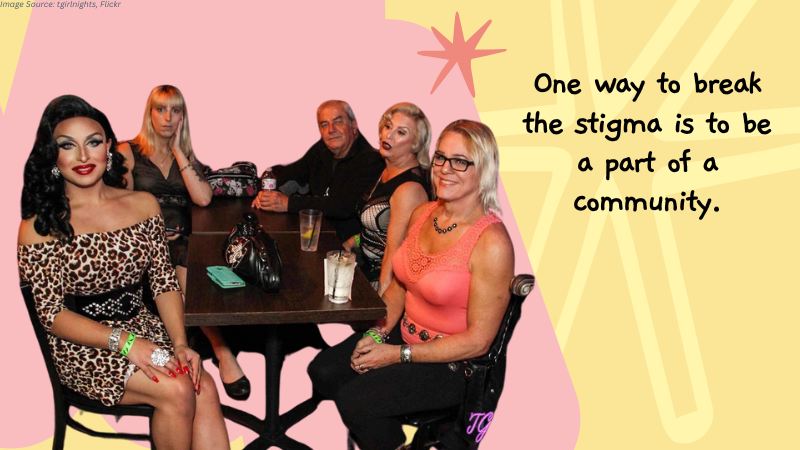
One way to break the stigma is to be a part of a community. This can either be in your local area, your family, or just friends online. A group of like-minded individuals or at least nonjudgemental, accepting friends who validate your feelings is extremely liberating. Surround yourself with friends, family members, and online communities that celebrate self-expression rather than shame it.
Another way to combat the stigma is through self-confidence. Be who you are! If you feel insecure about your looks or skills, try to improve them. Practice at home, do research and be fearless if you choose to go public. I bet if you ask any woman, they’ll tell you that when they know they look good, they are more confident and feel more powerful. I bet you will, too, the better and more often you engage with your crossdresser identity.
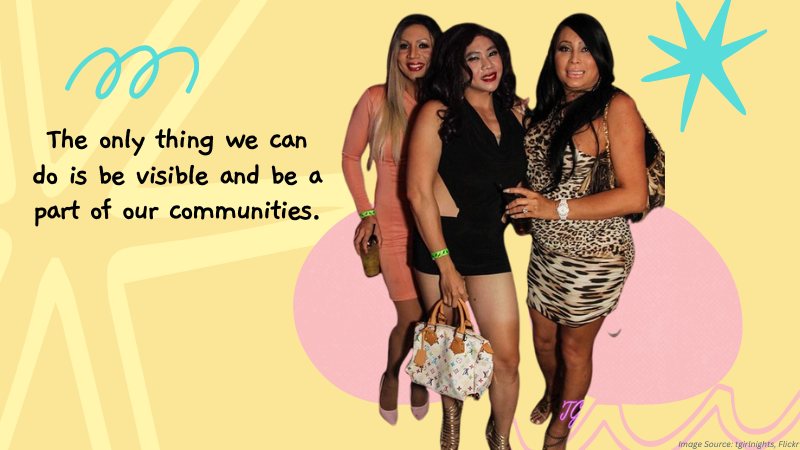
Ultimately, there is very little that any individual can do to combat this greater stigma in society. The only thing we can do is be visible and be a part of our communities. The wider the population sees, the more tolerant and accepting they can become. If one looks at the LGBTQ+ rights movement, there is a decent argument to be made that TV sitcoms such as Will & Grace resulted in more progress than any specific rights campaign did. By choosing to engage with the world on your terms, with your true identity, you can do your small part in increasing the visibility of crossdressers and others. Hopefully, this will lead to greater acceptance.
Conclusion
Gender expression should never feel like a prison. It should be a space for exploration, creativity, and joy. Breaking free from traditional gender norms allows people to live authentically and embrace the full spectrum of human expression. By challenging outdated ideas and embracing individuality, society can move toward a future where gender is no longer a restriction but a celebration of diversity. Ultimately, the world is far more beautiful when people are free to be themselves.













 Breast Forms
  Body Suit
  Realistic Mask
  Femini Girdle
 Hip & Butt Enhancement (8)
 Penis Prosthesis
 Fake Muscle
 Bikini
  Wig
Wig  Corsets
 Course
 service@roanyer.com
 +8618652200711
 Facebook
 YouTube
 Twitter
 Instagram
- Neurodivergence, Crossdressing & Gender Fluidity: A Few Observations and Thoughts
- Discovering the Joy in Crossdressing: Tips to Make It Fun and Fulfilling
- Movies & Shows Every Trans Girl & Femboy Should Watch This Summer
- What I Wish Someone Told Me About HRT: The Beautiful & Messy Truth About Transitioning
- Crossdressing & Sissy Captions: Fantasies and Aspirations Distilled
- The Journey of Confidence: From Self-Doubt to Self-Love Through Crossdressing
Established in 2009, We are a recognized manufacturer and seller of professional crossdressing products.
It is our aim to become not just the most creative manufacturer but also a very considerate seller, as we provide the best quality products for crossdressers all around the world.