




Neurodivergence, Crossdressing & Gender Fluidity: A Few Observations and Thoughts
Recently, there has been a lot of fresh awareness of neurodivergences in our society. I’m sure that many of you have noticed an increase in public awareness of mental health. There has been a slow growth in the use of more clinical-sounding terms like self-care and dissociation in daily dialogue. This has been a positive development in most cases, as an increased knowledge of oneself and an added level of understanding for those who are different from us is always a good thing. I bet that as increased awareness of neurodivergent conditions has seeped into memes and social media, a number of us can identify with the feelings described.
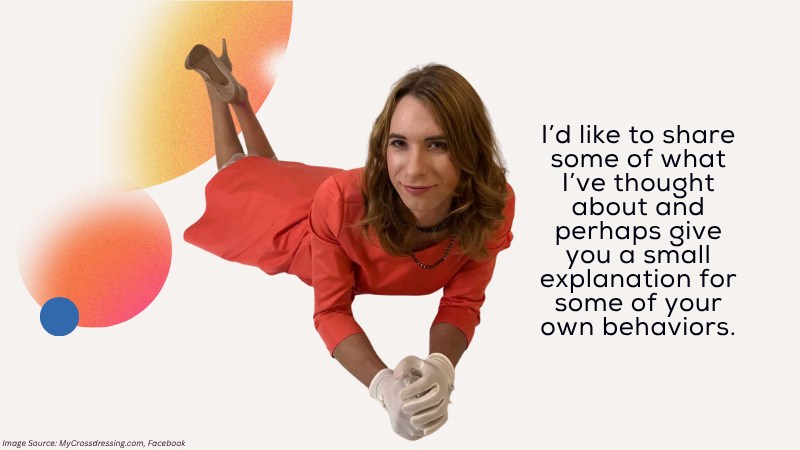
I’ve been curious about my own possible neurodivergences for a while. Since I’ve been learning about different conditions and how they can manifest in an individual, I’ve also been curious how they might impact a crossdresser with different neurodivergent tendencies. It’s been quite interesting to learn about. I’d like to share some of what I’ve thought about and perhaps give you a small explanation for some of your own behaviors.
What Is Neurodivergence?
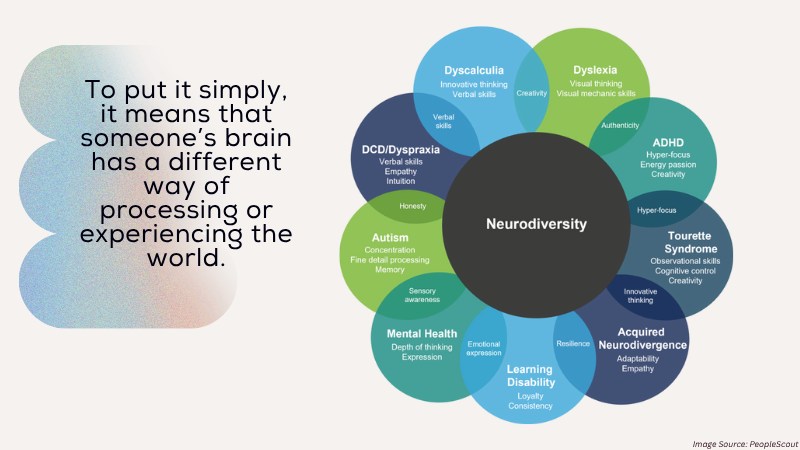
To put it simply, it means that someone’s brain has a different way of processing or experiencing the world. Common ones include Attention Deficit Hyperactivity Disorder (ADHD), autism spectrum disorder (ASD), and obsessive-compulsive disorder (OCD). Each one of these can manifest in different ways. An individual may experience one or many of these and exhibit a selection of tendencies that relate to a condition. I’m not a psychologist or counsellor, so I cannot get into how to diagnose them.
I’ve been interested in how some of my tendencies have affected my desire to cross-dress, my feelings about it, and a few other things. Neurodivergence can often have a huge impact on our emotional processing and reasoning. It can also be difficult to manage; it affects how I feel about myself and others. Finally, I think it really affects how I feel and experience my feminine side.
ADHD & Stimulation
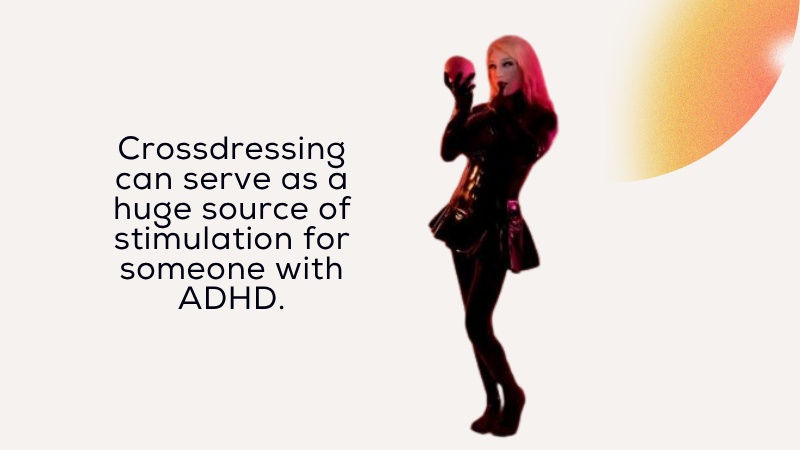
ADHD is a condition that can be characterized by a lot of seemingly impulsive decisions, restless behavior, and a sort of scatterbrained outlook. ADHD causes people to look for stimulation, and generally are well served by a high degree of activity. Stimulation is needed for an ADHD person to feel at ease, so the search for it is constant. Crossdressing can serve as a huge source of stimulation for someone with ADHD. It can feel exciting and daring in the moment, almost risqué or naughty. New accessories, fashion combinations, cosmetics, and photo sessions are all ways of getting that required dopamine.
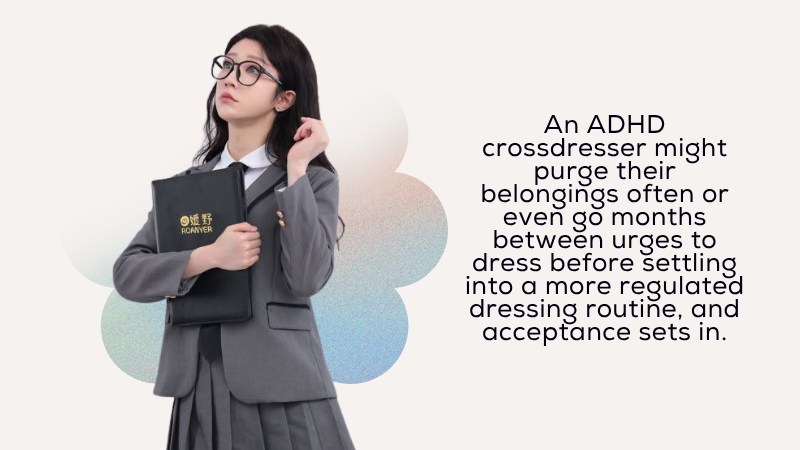
I’ve felt before, as going for a makeover with several outfit changes and combinations was incredibly fun. The whirl of activity made me feel at ease, and each change of wig or bag or blouse was a new thrill to experience.
However, the flip side is that these moments of excitement can lead to large drops in mood. Self-judgement is also difficult. Hours of joy can turn into guilt for ignoring other responsibilities, and then feeling stupid or dumb for engaging in crossdressing to get the excitement. An ADHD crossdresser might purge their belongings often or even go months between urges to dress before settling into a more regulated dressing routine, and acceptance sets in.
ASD and the Comfort Routine
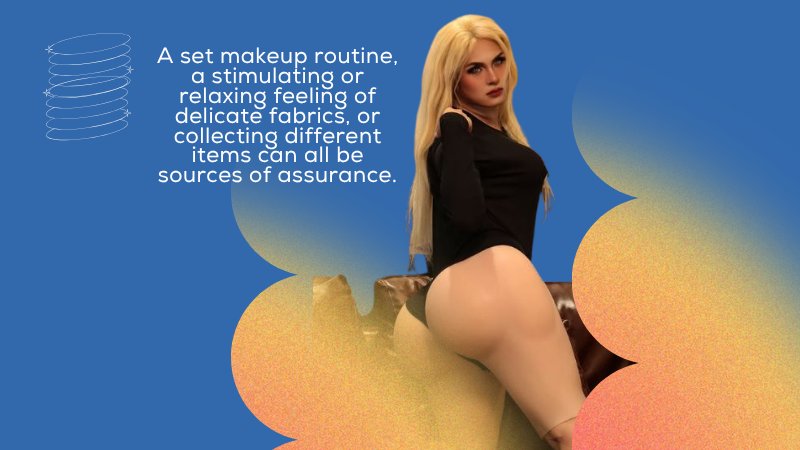
Autism is often seen as quite severe. However, since it is a spectrum disorder, it has a huge range and degree of manifestations. Something that’s fairly common for those who experience this condition is a need for comfort and safety. This can come through a deep interest, a comforting sound or texture, or even just a daily routine. When it comes to crossdressing, there are a number of ways this can apply. A set makeup routine, a stimulating or relaxing feeling of delicate fabrics, or collecting different items can all be sources of assurance.
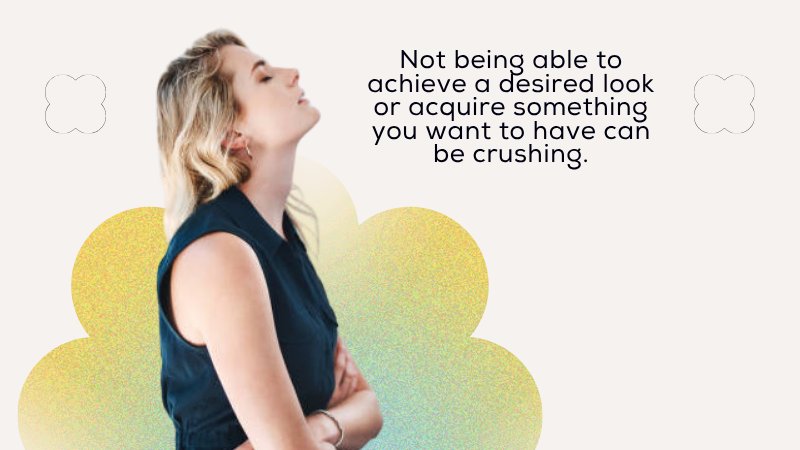
As with anything else, there are also possible negative manifestations. Because safety is found through comfort, disruptions can lead to huge downward spirals, perhaps a bit of clothing doesn’t feel right, or your routine has been upset, and processing it can become extremely hard. Not being able to achieve a desired look or acquire something you want to have can be crushing.
AuDHD & Fluctuating Desire
AuDHD is a sort of combination of ASD & ADHD. Elements of the two conditions can feel as if they push and pull one another about, making finding clarity very difficult.
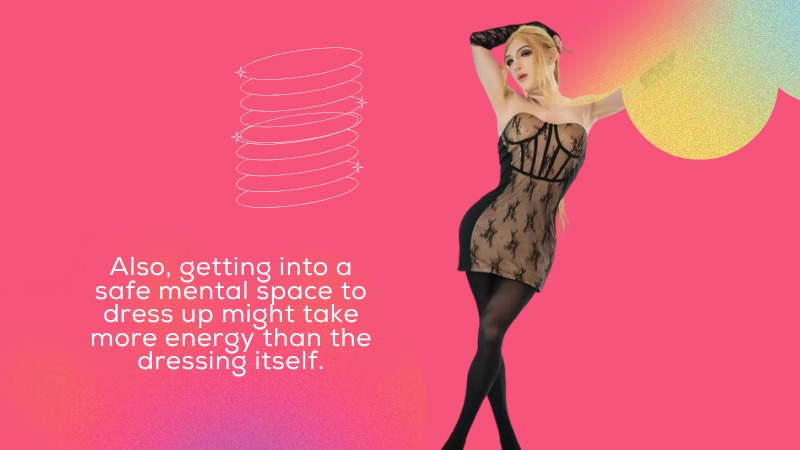
A person with AuDHD might feel an intense desire to cross-dress, but be fearful of being judged by others and themselves for doing so. Also, getting into a safe mental space to dress up might take more energy than the dressing itself.
Crossdressers who go through intense periods of dressing up and then forgetting about it for weeks or months at a time might fall somewhere here. This cycle helps to reduce the strain needed to prepare to be feminine mentally, while the comfort and stimulation of being dressed make the person desire it frequently until the novelty has worn off. Crossdressing will remain a part of them, but not outwardly until the next time.
OCD and a Need for Control
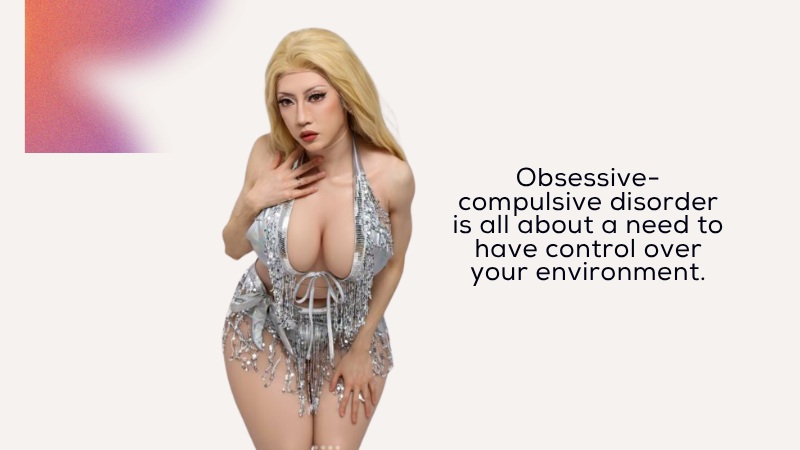
Obsessive-compulsive disorder is all about a need to have control over your environment. There can also be an avalanche of obsessive thoughts or desires. A dresser with OCD might repeat the same routines over and over and over in order to have control over it. These rigid routines help achieve perfection before feeling right. However, an interruption or break in these routines can be detrimental.
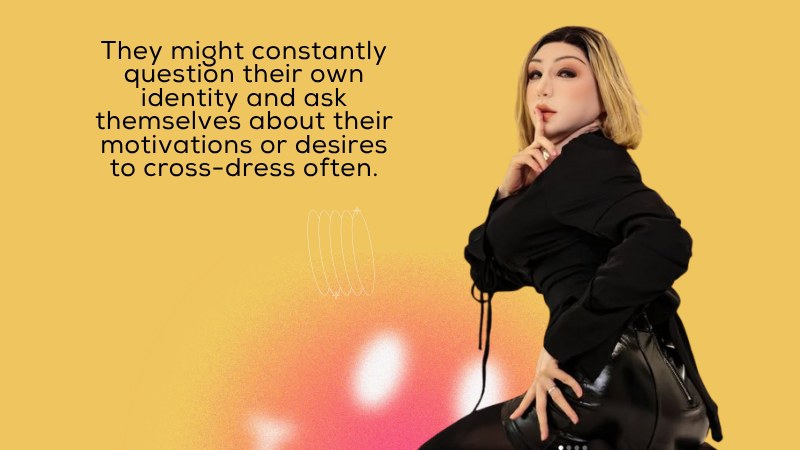
A person with OCD might also experience intense and deep guilt about their crossdressing and feminine routines. They might constantly question their own identity and ask themselves about their motivations or desires to cross-dress often. While crossdressing and creating a fully controlled feminine environment might be relaxing and reassuring. The activity itself might lead to deep self-doubts.
Kink & Neurodivergence
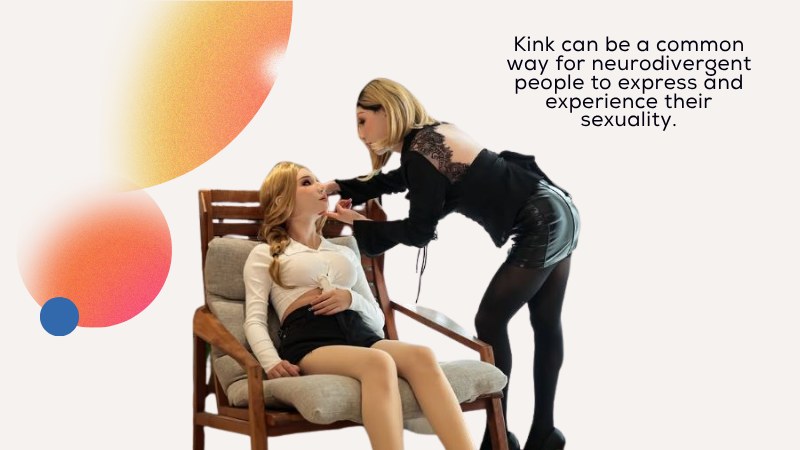
Kink can be a common way for neurodivergent people to express and experience their sexuality. While I’ll not go into individual kinks and how they can impact different types of people, I can see how neurodivergences can result in them being appealing. Raising or extending the pleasure of sexual activities through kink is something that would be different for each person. IT’s easy to see how a raised level of danger or risk would appeal to ADHD individuals chasing a dopamine rush. Also, the rigid rules and structures to ensure that everyone feels safe and assured in kink play might appeal to ASD people who need routine and clear structure.
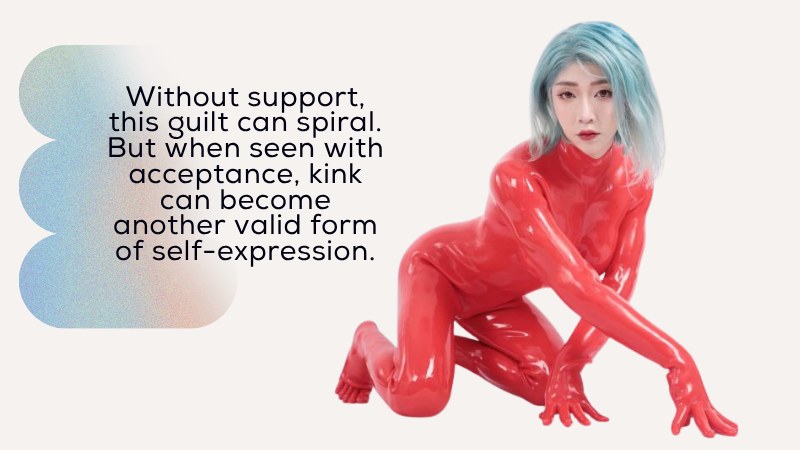
Kinks themselves are not negative. They are an organic part of how people experience desire. The issues arise when guilt or shame sets in, especially for people who have already spent years feeling “different” due to their neurodivergence. Without support, this guilt can spiral. But when seen with acceptance, kink can become another valid form of self-expression.
Impacts on Mental Health
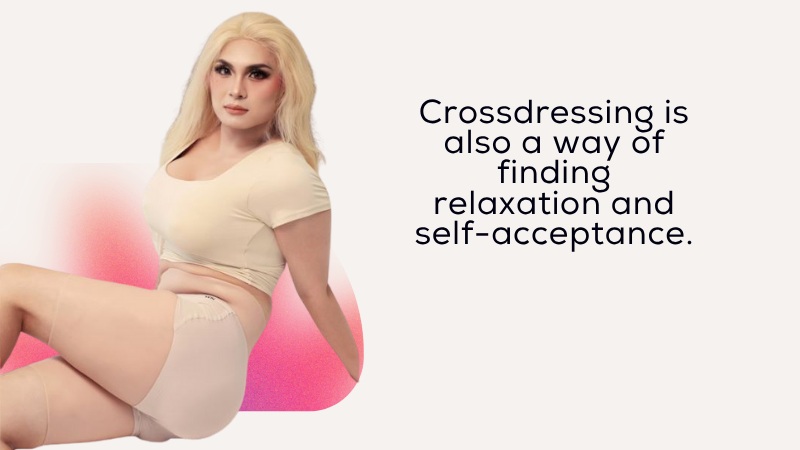
I have generally found that crossdressing is a positive experience for me. However, the true impacts really depend on how they are framed and experienced. The beginnings of a crossdresser’s journey are often fraught with mixed emotions, and any of the conditions I’ve mentioned above could really intensify that. Crossdressing is also a way of finding relaxation and self-acceptance.
The negative effects of crossdressing often aren’t because of the dressing but the effects of it. People fear discovery or ridicule from their peers or families. It can also start a flurry of thoughts as to what it all means, and paranoia about possible consequences of being a crossdresser. These shame spirals can be hard to snap out of.
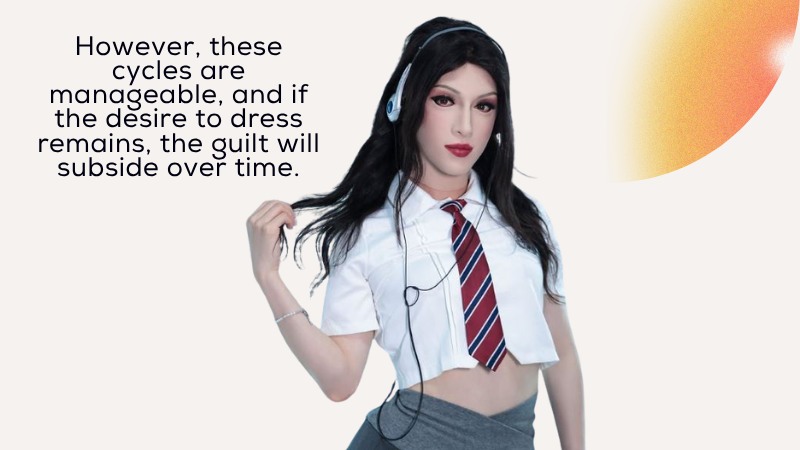
However, these cycles are manageable, and if the desire to dress remains, the guilt will subside over time. Other steps are to be taken individually, but there is nothing wrong with this hobby.
Conclusion
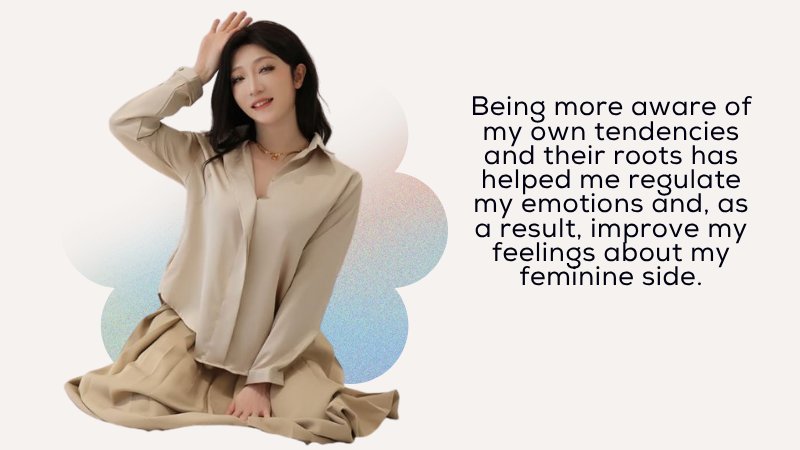
The intersection between neurodivergence and crossdressing is complex, but understandable. I’ve often felt some of the feelings or spirals described above. Being more aware of my own tendencies and their roots has helped me regulate my emotions and, as a result, improve my feelings about my feminine side. Also, my confidence in my femme side has grown.
The common thread here is a fear of judgment and a fear of disappointment. The problem lies in the perception of self and action. Because judgment and disappointment are hugely powerful emotions felt by Neurodivergent people, getting over them is hard. Harder than for most. Gentle progress, taking it slowly and at your own pace, can be positive for building confidence with it and then your general mental health.








 Breast Forms
  Body Suit
  Realistic Mask
  Femini Girdle
 Hip & Butt Enhancement (8)
 Penis Prosthesis
 Fake Muscle
 Bikini
  Wig
Wig  Corsets
 Course
 service@roanyer.com
 +8618652200711
 Facebook
 YouTube
 Twitter
 Instagram
- Discovering the Joy in Crossdressing: Tips to Make It Fun and Fulfilling
- Movies & Shows Every Trans Girl & Femboy Should Watch This Summer
- What I Wish Someone Told Me About HRT: The Beautiful & Messy Truth About Transitioning
- Crossdressing & Sissy Captions: Fantasies and Aspirations Distilled
- The Journey of Confidence: From Self-Doubt to Self-Love Through Crossdressing
- What to Expect for Your First Time Going Out as a Sissy in Public?
Established in 2009, We are a recognized manufacturer and seller of professional crossdressing products.
It is our aim to become not just the most creative manufacturer but also a very considerate seller, as we provide the best quality products for crossdressers all around the world.