




What Triggers Crossdressing? Exploring Motivations and Reasons
Why would anyone wear opposite-gender clothes? Is it to feel feminine? Or is it to hide oneself? Could someone crossdress as a form of play? How about crossdressing due to culture? Or even genetics! As humans, we are naturally curious to understand our own.
With that, did you know that crossdressing began way back in the 18th century? Why would wearing a frilly skirt make us feel our best? We also wonder why children show crossdressing traits. With this information, we have become curious. Curious to understand why others crossdress. And why do others not bother? It is an exciting opportunity to understand crossdressers. It is a way to view crossdressers as worthy and deserving of acceptance.
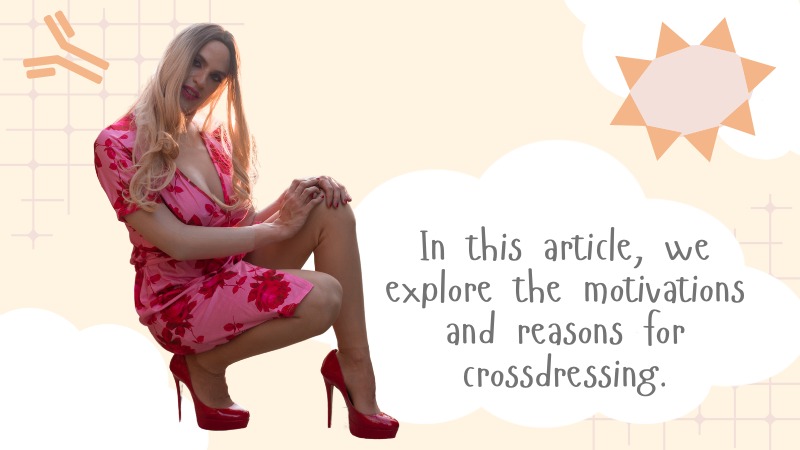
In this article, we explore the motivations and reasons for crossdressing. Our information on crossdressing is backed by science. We also share experiences of other crossdressers in this article to help us understand what triggers crossdressing.
Why Do We Crossdress?
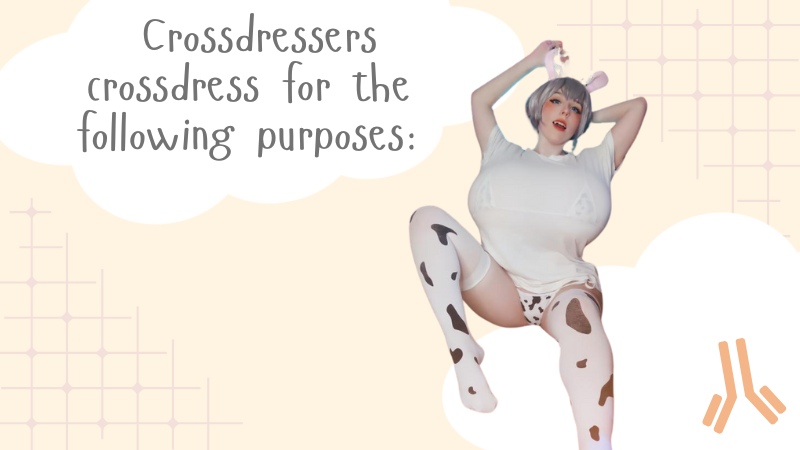
Crossdressers crossdress for the following purposes;
1. Psychological Motivations
The following psychological motivations explain why we crossdress;
Stress Relief and Relaxation
Psychology states that to manage stress, one way is to change how we do things. In this case, crossdressers may choose to crossdress. This is a way to cope with issues such as anxiety.
Imagine the refreshing feeling of wearing feminine clothing. These can get to the softest parts of our feelings, thoughts, and attitudes.
As a result, we can escape the pressure. Especially pressure on society wants us to dress and feel like. It is the final peace.
Self-Expression and Identity
They say our family, environment, and media shape our identity. Crossdressing can help with our identity and self-expression. When we dress feminine, we break gender norms.
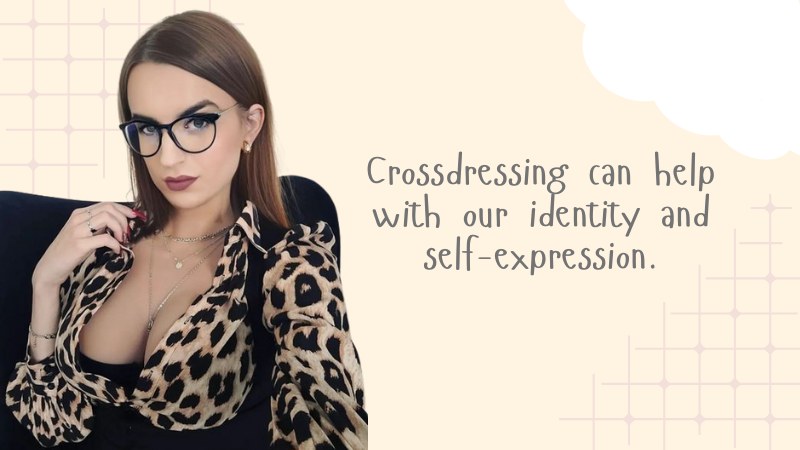
For instance, wearing those stockings reminds us crossdressers that we can identify and make peace with our feminine side. This creates lasting emotional fulfillment. When we know we can lean into crossdressing and be as feminine as possible.
2. Neurological and Biological Theories
These include theories such as;
Brain Hardwiring
We find comfort in dressing femininely. On the other hand, non-crossdressers do not experience this feeling. For instance, a guy can wear feminine clothing and feel nothing. Another guy can do the same and feel joy.
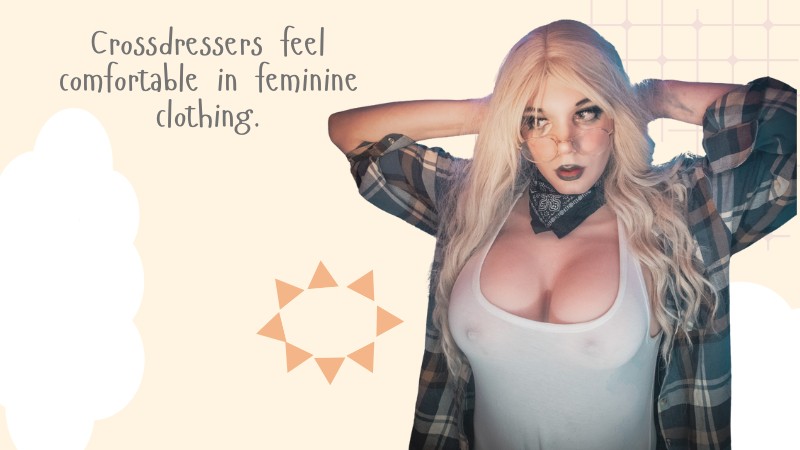
Crossdressers feel comfortable in feminine clothing. This begins as early as two to three years. Our brain forms connections during this time in a process called neural connections. By the time a crossdressing child reaches three years, we have formed more than five connections for crossdressing.
Hormonal and Neurochemical Factors
Hormone changes make many crossdressers want to crossdress. These include;
Dopamine
Dopamine makes one feel good after crossdressing. The more authentic we think, the more dopamine we get.
Serotonin
Serotonin makes crossdressers feel like we belong when we wear feminine attire.
Neurotransmitters
Neurotransmitters connect the pathways in our brain. The goal is to enjoy the feeling that crossdressing brings via these hormones.
3. Social and Cultural Influences
Social and cultural factors affect why someone chooses to crossdress in the following ways;
Impact of Gender Norms
We have been told that men should wear baggy trousers and shirts. We boldly shun these gender norms. We do this when we wear feminine clothing in return.
Early Experiences
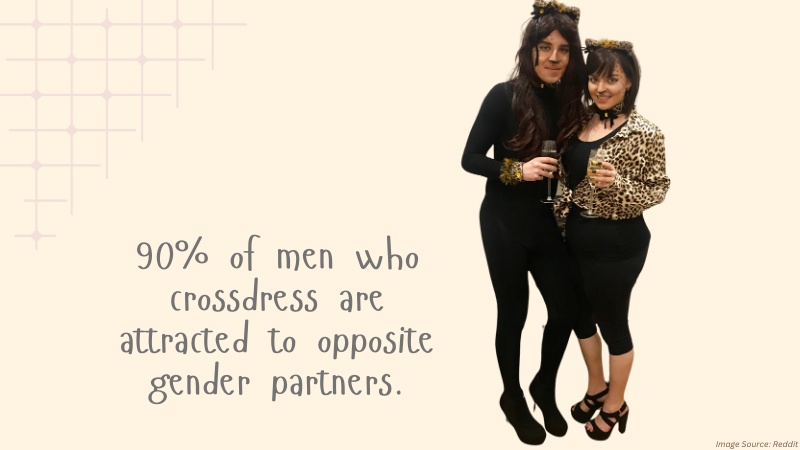
90% of men who crossdress are attracted to opposite gender partners. Also, most crossdressers likely had mothers and sisters who made them love femininity.
Data shows that during the early years, a child learns things about the world. As a result, while young, we learned that femininity is beautiful and acceptable. To date, that still stands.
Also, others state that we saw feminine characters valued in society. This made them want to emulate and enjoy cross-dressing.
Role of Media and Representation
Crossdressers like to wear that thing like a prize. This culture is seen on television shows, such as drag races. So, we know we are not alone in being crossdressers with pride.
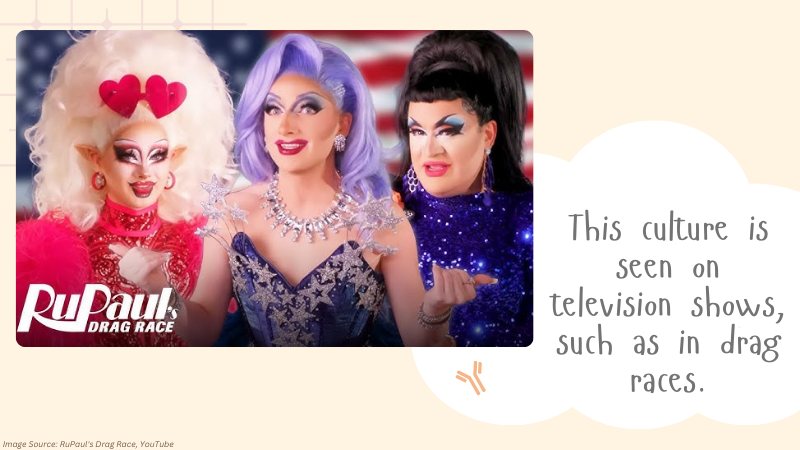
When TV shows and the media, in general, celebrate crossdressing. We love it even more. Acceptance and visibility are among the best things. The media does a good job of reminding us that cross-dressing is unique and acceptable.
4. Gender Dysphoria and Identity
Many crossdressers have experienced anxiety about who they are. In particular, our identity is something we want to understand fully.
Crossdressing as Exploration
Crossdressing helps us understand our gender identity. We appreciate why we love soft, feminine clothing and explore what lace turns us on. Over time, this crossdressing exploration helps us understand our identity.
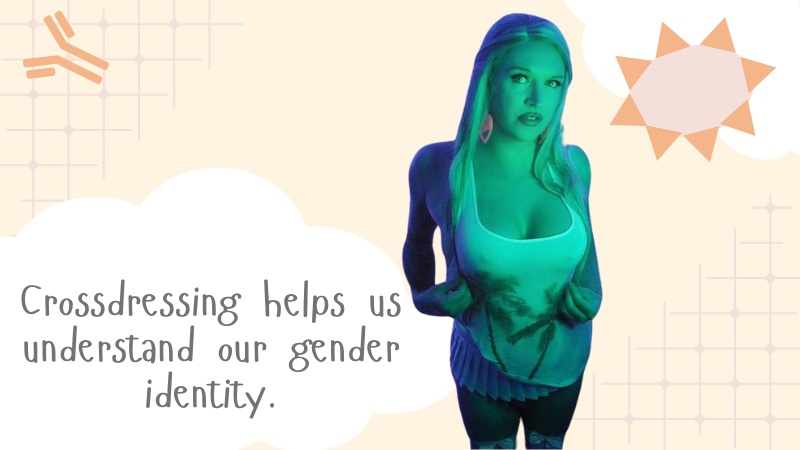
We understand crossdressing is simply a love for feminine clothing and presentation. The fact that we wear lace lingerie and do our makeup does not mean that we want to be women or pass as women.
In other words, we do not have to go through surgery (transition). We simply enjoy the crossdressing process.
Validation and Empowerment
Our inner emotions may be some of the softest. We may want to be joyous or sob. We may want to be a little, or giggle excitedly. When we want to feel girly and giggly, the princess fairy costume is the solution. It helps with girly emotions.
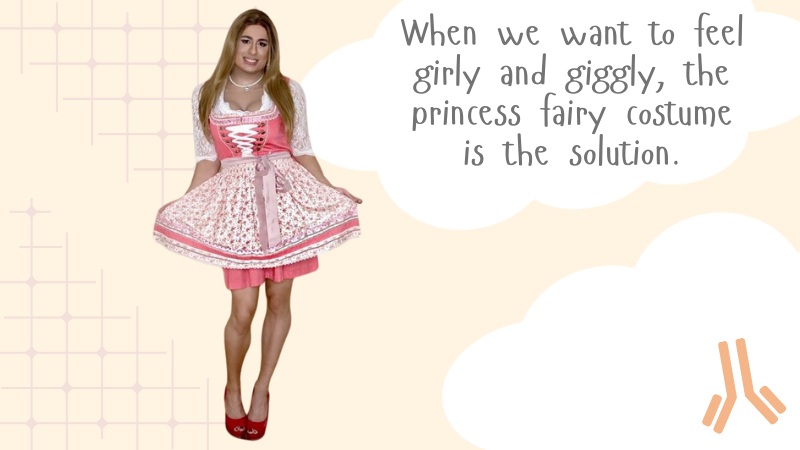
We may feel anxiety that we are in the wrong body. When we wear girly costumes, our gender dysphoria will reduce. When we present as feminine, we think we are the most authentic.
5. Community and Emotional Fulfillment
We crossdress to find people like us. This comes with emotional fulfillment through
Finding Belonging
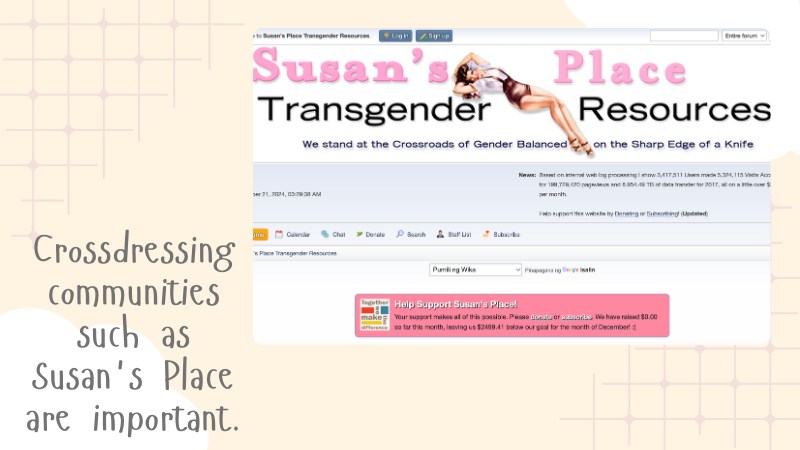
Crossdressing communities such as Susan’s Place are important. They offer a community we can rely on as we embrace our crossdressing journey. Roanyer offers crossdressing products. This helps us to connect for a sense of belonging.
Roleplay and Fantasy
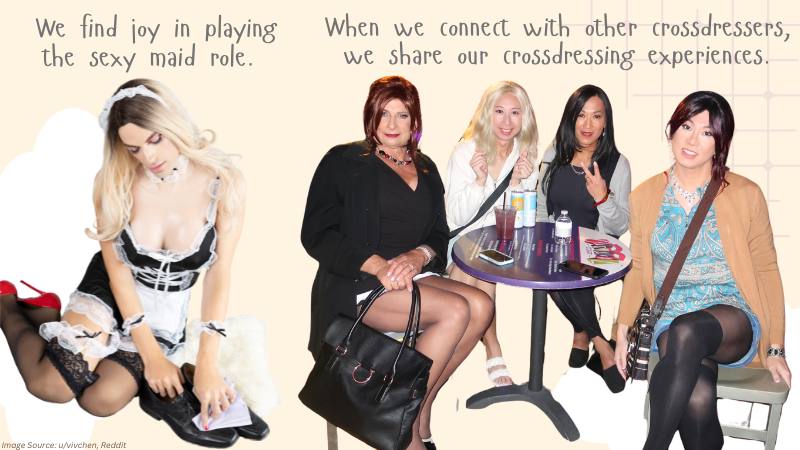
We find joy in playing the sexy maid role. By dressing up, we can roleplay as maids and engage in the fantasy of submission. This offers us a form of escapism. We get to alternate between different personas.
Shared Experiences
When we connect with other crossdressers, we share our crossdressing experiences. We feel a sense of belonging. We are reminded that we are not alone in our journey.
Misconceptions About Crossdressing
These misconceptions include the following;
“Crossdressing is a sign of being gay.”
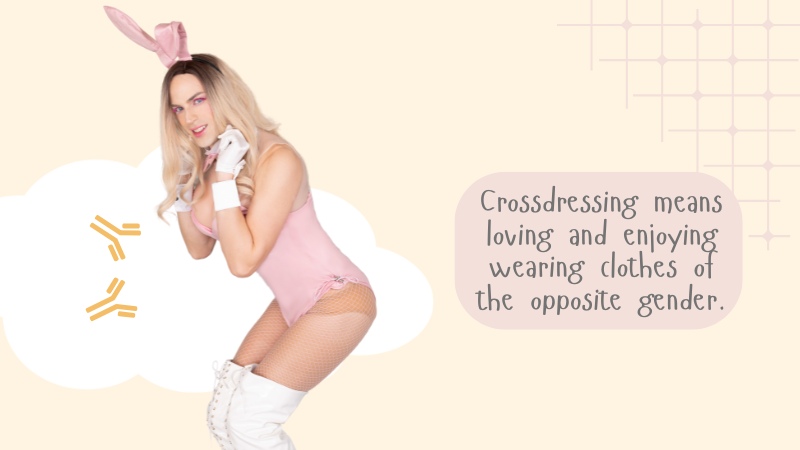
The above statement is false. Our sexual orientation is who we are sexually or romantically attracted to. Crossdressing means loving and enjoying wearing clothes of the opposite gender. Some gay people do not crossdress.
‘Crossdressing is a mental disorder.’
Loving and wearing the opposite gender’s clothes is a regular activity. Anyone can crossdress.
‘Crossdressing is about deception’
We wear feminine or masculine clothes to express our true inner identity. We do not wear feminine clothes to access women’s spaces. Also, we do not crossdress to lure others. We express ourselves by crossdressing.
Contextualizing Crossdressing
Historical Contexts
It began in Europe’s 18th and 19th centuries. Franklin Thompson and Harry P. Buffort crossdressed as men. These two showed confidence and bravery. These traits were denied to women during this time.
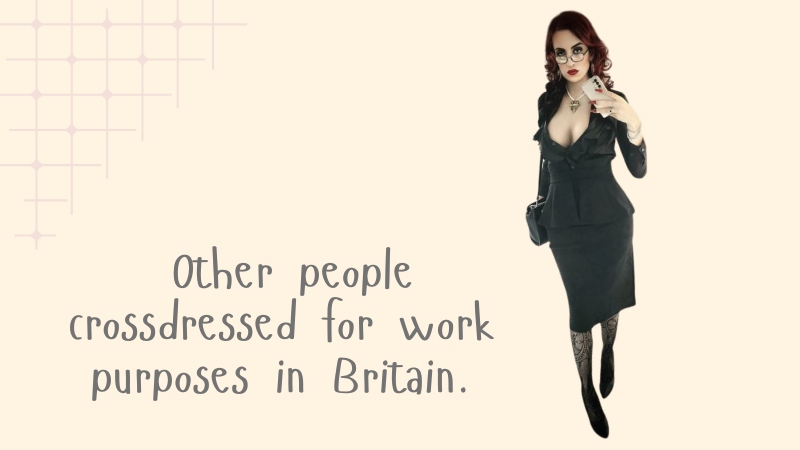
Other people crossdressed for work purposes in Britain. Men would crossdress to entertain male clients.
Modern Perspectives
Today, anyone can crossdress. Our age, race, age, or sex does not matter. Today, society is accepting that self-expression can occur through crossdressing. We have also been saved by LGBTQ rights that protect all crossdressers.
FAQs about crossdressing
Is crossdressing harmful?
Crossdressing is a safe way to express oneself and identity.
Can crossdressing be a phase?
Some crossdress for experimentation. For others, it is who we are. At the end of it all, accepting who we are is key to living a happy life as a crossdresser.
Does cross-dressing have a genetic component?
A crossdresser will crossdress due to the brain wiring. This happens through hormones and neurotransmitters.
What are the best ways to support a loved one who crossdresses?
Understand other people’s identity needs;
● Respect crossdressers’ pronouns
● Give crossdressers a place to stay or dress up
● Make crossdressers feel safe in their bodies and in our presence.
What is the social perception and acceptance of crossdressers Today?
Today, LGBTQ people are much more visible. There are advocacy efforts. Crossdressers are getting a good rap. There is a shift as more and more people are accepting cross-dressing.
Conclusion
Crossdressing is linked to culture. The media also helps create visibility. Science has shown that children crossdress, too. The key is authenticity. Self-expression should be celebrated.
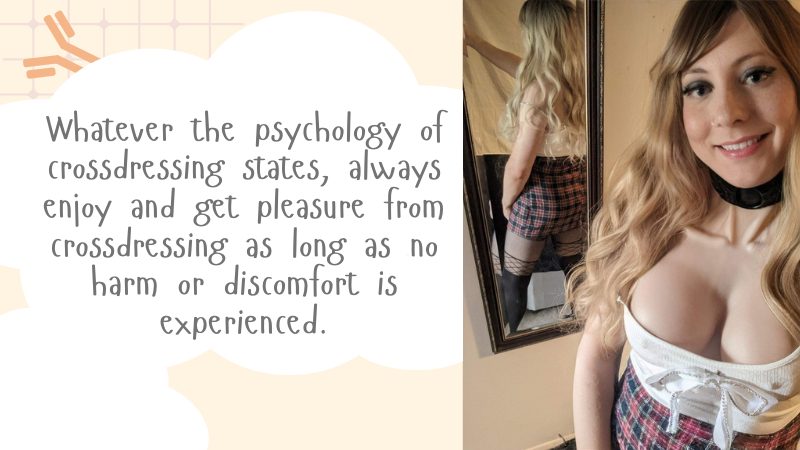
Whatever the psychology of crossdressing states, always enjoy and get pleasure from crossdressing as long as no harm or discomfort is experienced.






 Breast Forms
  Body Suit
  Realistic Mask
  Femini Girdle
 Hip & Butt Enhancement (8)
 Penis Prosthesis
 Fake Muscle
 Bikini
  Wig
Wig  Corsets
 Course
 service@roanyer.com
 +8618652200711
 Facebook
 YouTube
 Twitter
 Instagram
- Exploring the Sissy Fetish Journey to Self-Discovery
- What is a Crossdresser? Understanding the Behavior, Its Origins, and Social Context
- Crossdresser vs. Transgender: What’s the Difference and Why Does It Matter?
- Why Do Some Straight Men Enjoy Crossdressing?
- 7 Best Mtf Trans and Crossdresser Podcasts in 2024
- Journey With Roanyer : Your Beginner Crossdressing Store
Established in 2009, We are a recognized manufacturer and seller of professional crossdressing products.
It is our aim to become not just the most creative manufacturer but also a very considerate seller, as we provide the best quality products for crossdressers all around the world.